

What is Hypertension?
Your heart pumps blood into your blood vessels each time it beats. The blood vessel walls are put under pressure, much like the water in the pipes of a house. And just as too much water pressure can damage pipes and faucets, elevated blood pressure can be problematic. Hypertension, also known as high blood pressure (HBP), occurs when the force exerted against blood vessel walls is abnormally high. Blood pressure is measured in millimetres of mercury (mm Hg).
Measurement of Blood Pressure

A blood pressure reading includes two numbers, one written on top of the other. The top, or larger, number is called the systolic blood pressure. This number represents the force of blood through your blood vessels during your heartbeat.
The bottom, or smaller number, is called diastolic blood pressure. This pressure is present while the heart is at rest and receiving oxygen from the blood entering its chambers.
We’ve developed a simple Traffic Light System based on WHO, UK, and USA guidelines to help you understand your blood pressure readings:
🔴 Red Zone (High Risk):
– Systolic: 180 mm Hg or higher
– Diastolic: 120 mm Hg or higher
– Action: Seek medical attention immediately. This indicates high blood pressure that needs urgent management.
🟠 Amber Zone (Elevated Risk):
– Systolic: greater than 135 mm Hg
– Diastolic: greater than 85 mm Hg
– Action: Monitor regularly and consult with your healthcare provider. Lifestyle changes and possible medication may be needed.
🟢 Green Zone (Healthy):
– Systolic: 90-135 mm Hg
– Diastolic: 60-85 mm Hg
– Action: Maintain a healthy lifestyle. Regular check-ups are recommended to stay on track.
Diagnosing Hypertension
When it comes to diagnosing hypertension, there are several guidelines and varying cutoff points utilised by healthcare professionals worldwide. These guidelines provide criteria for defining hypertension and determining when intervention is necessary to manage blood pressure effectively. For this article, we will adhere to the guidelines set forth by the World Health Organization (WHO).
According to the WHO, the diagnosis of hypertension should be based on multiple blood pressure readings taken on several visits. Criteria include:
Initial Screening: Blood pressure consistently reading 140/90 mmHg or higher requires further assessment.
Confirmatory Measurements: To confirm a diagnosis of hypertension, it is recommended to take several readings across different days or an ambulatory blood pressure done over 24 hours. The average of these readings will be considered to diagnose hypertension.
Methodology: Blood pressure should be measured using a validated, calibrated device, and the patient should be seated quietly for at least 5 minutes in a chair, with their feet on the floor and arm supported at heart level.
Hypertension Among Black Populations
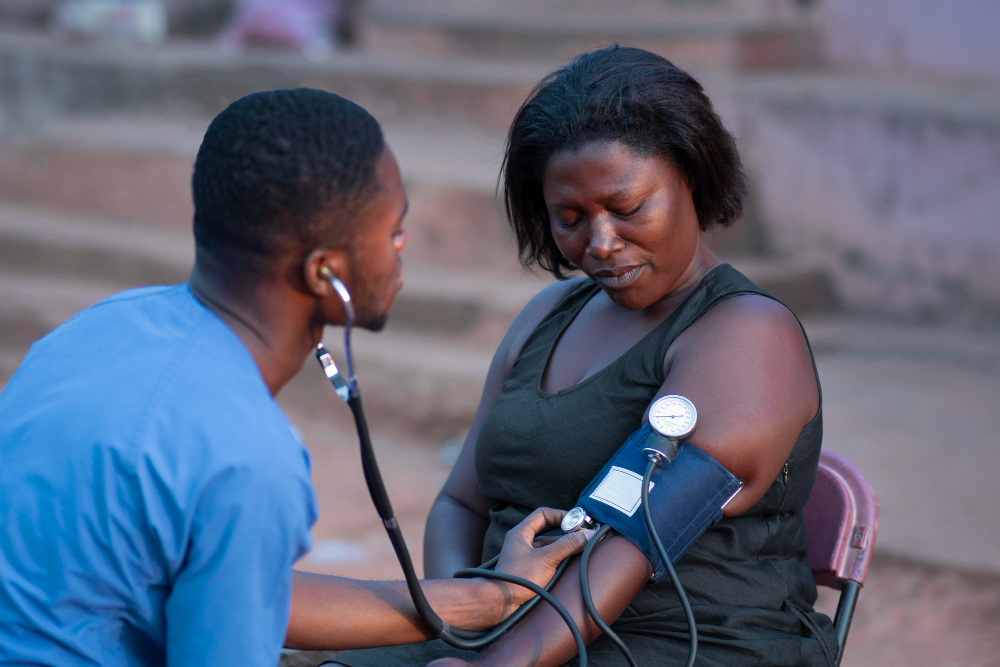
Hypertension disproportionately affects the Black community, with studies showing higher prevalence and mortality rates compared to White populations. Several factors contribute to these disparities, including genetic predispositions, heightened salt sensitivity, and socioeconomic factors. Research indicates that Black individuals generally have higher blood pressure levels than White people, and they experience higher mortality rates from hypertension-related complications. Significant pathophysiological differences include a greater sensitivity to salt among Black individuals, leading to higher average blood pressure increases with salt intake. This salt sensitivity is a critical factor in the elevated risk of hypertension in this group and explains why Black individuals with hypertension often respond well to diuretics.
Furthermore, the prevalence of treated but uncontrolled hypertension is significantly higher among the Black population. A study by Ferdinand and Nasser (2017) in the “Journal of Clinical Hypertension” examines the impact of both genetic and environmental factors on hypertension in Black individuals, highlighting the complex interplay of these elements. Overall, being Black is recognised as a risk factor for hypertension, underscoring the need for targeted interventions and management strategies within this community.
Signs and Symptoms of Hypertension
Often dubbed the “silent killer,” hypertension may not present noticeable symptoms until it has caused significant damage. Potential complications include:
Vision problems
Stroke
Kidney issues
Heart failure
Heart attack
Calf(Leg) pain
Sexual dysfunction
Understanding the Risks: Identifying Hypertension Risk Factors
Several factors contribute to the development of hypertension. Understanding these risk factors is crucial for prevention and early intervention. Risk factors include:
Ethnicity: Certain ethnic groups, such as Africans, and African Americans, have a higher prevalence of hypertension.
Age: The risk of developing hypertension increases with age.
Family History: Genetic predispositions can play a significant role in hypertension.
Obesity: Excess body weight, particularly abdominal obesity, is strongly associated with hypertension.
Unhealthy Diet: High salt, saturated fats, and cholesterol intake can contribute to hypertension.
Physical Inactivity: Lack of regular exercise can lead to hypertension.
Tobacco Use: Smoking and exposure to secondhand smoke can elevate blood pressure.
Alcohol Consumption: Heavy drinking can raise blood pressure.
Chronic Conditions: Diabetes, kidney disease, and sleep apnea can increase the risk of hypertension.
Stress: Chronic stress and anxiety can contribute to hypertension by increasing levels of stress hormones in the body, which can elevate blood pressure over time.
Management of Hypertension in Black Populations
The first step in managing hypertension is to be aware of the dangers of high blood pressure in black people. Being black increases the likelihood of having high blood pressure.
Effective management of hypertension involves a combination of lifestyle changes and medication. Key recommendations for black individuals include
Dietary Changes: Adopting the DASH diet, which is rich in fruits, vegetables, and low-fat dairy, has been shown to reduce blood pressure significantly. A systematic review in the “American Journal of Hypertension” highlights the effectiveness of dietary interventions.
Reduced Sodium Intake: Due to increased salt sensitivity, black individuals must monitor and reduce sodium consumption. Research supports that even modest reductions can significantly improve blood pressure.
Physical Activity: Regular aerobic exercise is recommended to improve heart health and blood pressure.
Smoking and Alcohol: Eliminating tobacco use and stopping alcohol consumption are vital steps in managing hypertension.
Stress Management: Maintaining a daily routine with regular meals, exercise, and family time helps one feel more in control. Ensuring good sleep hygiene, staying connected with loved ones, eating a balanced diet, exercising regularly, and limiting news consumption reduce stress and anxiety that may predispose an individual to hypertension.
Medications for Treating Hypertension

While lifestyle changes are foundational, medication may also be necessary:
Diuretics: Commonly used to reduce salt and fluid levels in the body. Examples are indapamide and bendroflumethazide.
Calcium Channel Blockers (CCBs): Effective in relaxing blood vessels. Examples include amlodipine and nifedipine.
Angiotensin-Converting Enzyme Inhibitors (ACE-I) and Angiotensin II Receptor Blockers (ARBs): Help relax blood vessels and prevent vessel constriction. Examples of ACE-Is are ramipril and lisinopril. Examples of ARBs are losartan and telmisartan.
Adrenergic Beta Blockers: Prevent the hormone that tightens blood vessels and makes the heart beat faster from working by blocking the cell receptors for it. Examples include bisoprolol and carvedilol.
Alpha Blockers: Help reduce nerve impulses that tighten blood vessels, allowing blood to flow more freely. Examples include doxazosin and prazosin.
Central Agonists: Decrease blood vessel constriction by preventing the brain from sending signals that speed up the heart and narrow blood vessels. Examples include clonidine and methyldopa.
Implementing an Effective Treatment Strategy
Regular Monitoring: Keep track of blood pressure readings and consult with your healthcare provider regularly.
Adherence to Treatment Plan: Consistently follow the prescribed treatment and lifestyle regimen.
Understanding Medication: Be aware of potential side effects and communicate any concerns with a healthcare provider.
Conclusion
Hypertension requires a proactive management approach, especially in black populations who are at increased risk. By integrating lifestyle modifications, adhering to medical advice, and utilising appropriate medications, individuals can effectively manage their blood pressure and reduce the risk of serious health complications.
For further information and detailed guidelines, refer to the WHO guidelines on hypertension management.
References
- Ferdinand, K. C., & Nasser, S. A. (2017). Racial disparities in hypertension prevalence, awareness, and management. Journal of Clinical Hypertension.
- World Health Organization: WHO. (2023, March 16). Hypertension. World Health Organization: WHO. https://www.who.int/news-room/fact-sheets/detail/hypertension
- Robinson, L. (2018, December 4). Stress management: Techniques & strategies to deal with stress. HelpGuide.Org. https://www.helpguide.org/articles/stress/stress-management.htm



 HEAL for Black people
Leave a comment