
Introduction
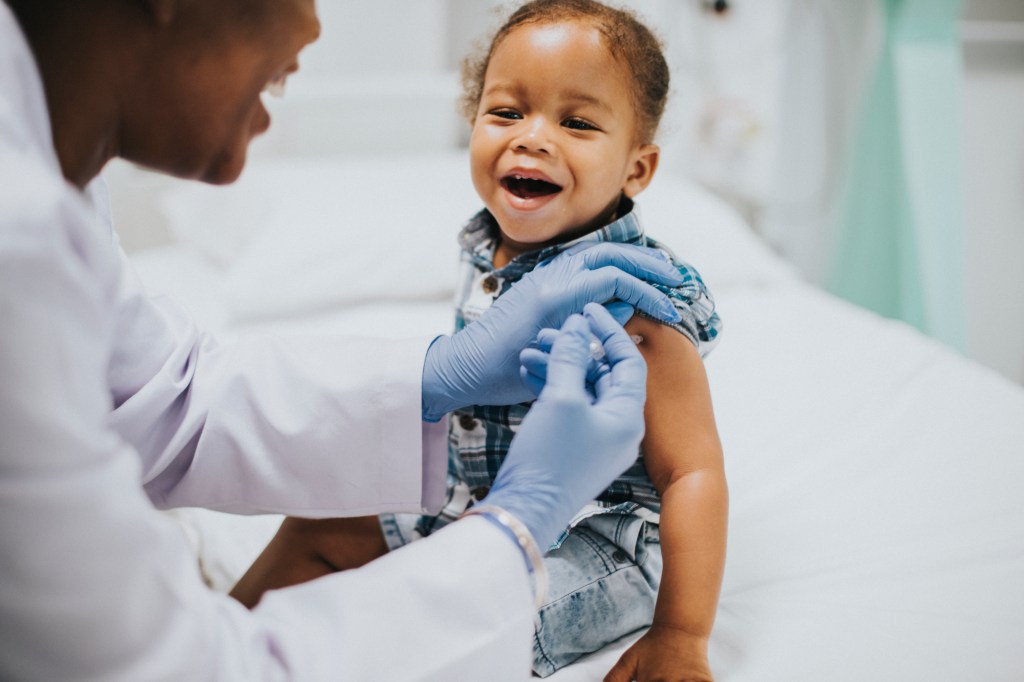
Your child’s immune system defends against infection-causing pathogens. Vaccines train the immune system to recognise and combat these microbes when your child is exposed to them, providing a crucial layer of protection.
Vaccinations are a crucial part of your infant health care, providing immunity against various infectious diseases like: Measles, Tetanus, Polio, and Whooping cough which can cause severe illness or even death. For Black infants, understanding vaccination essentials is vital, considering the historical and present disparities in healthcare access and outcomes. The World Health Organization (WHO) estimates that 2–3 million lives are saved each year by current immunisation programmes, contributing to the marked reduction in mortality of children less than 5 years of age globally from 93 deaths per 1,000 live births in 1990 to 39 deaths per 1,000 live births in 2018,
Importance of Vaccinations for Black Infants
Vaccinations are one of the most effective ways to prevent disease. For Black infants, who may face higher risks of certain health conditions due to socio-economic factors, vaccines play a key role in levelling the health equity field. According to the Centers for Disease Control and Prevention (CDC), immunisations have reduced and even eliminated many diseases that once killed or severely disabled people. Their importance cannot be overstated, as they:
Prevent Diseases: Vaccinating your infants shields them from a spectrum of diseases, ranging from common ailments like the flu to severe conditions such as polio, measles, and tetanus, safeguarding their health and well-being from infancy.
Eradicate Diseases: Vaccination efforts have played a pivotal role in eradicating diseases like smallpox and nearing the elimination of polio worldwide. For your infants, this means a future free from the threat of diseases that once plagued communities.
Protect Vulnerable Populations: Black infants, like all infants, may encounter health challenges. Vaccination not only shields them but also extends protection to vulnerable populations, including newborns and those with medical conditions that preclude vaccination, fostering a safer environment for all.
Prevent Outbreaks: Maintaining high vaccination rates among infants helps avert disease resurgence and outbreaks, even in areas where certain illnesses have become uncommon. This proactive measure is vital for preventing the spread of infectious diseases within communities.
Save Lives and Reduce Burden on Healthcare Systems: Vaccines are instrumental in saving lives and alleviating the strain on healthcare systems by preventing diseases and reducing the need for hospitalizations and intensive medical interventions among infants and their families.
Reduce Antibiotic Resistance: By averting bacterial infections through vaccination, the reliance on antibiotics diminishes, thereby mitigating the risk of antibiotic resistance. This proactive approach is crucial for protecting the health of infants and preserving effective treatment options.
Essential Vaccines for Infants
Vaccination is a crucial part of infant healthcare, protecting against various serious and potentially life-threatening diseases. The schedule for vaccinations may vary slightly depending on the country, but there is a consensus on the core vaccines recommended for infants by health authorities worldwide, including the World Health Organization (WHO) and the Centers for Disease Control and Prevention (CDC) in the United States. Here are the commonly recommended vaccines for infants, typically given in the first year of life:
Hepatitis B (HepB): This vaccine protects against the hepatitis B virus, which can cause liver infections and is a major risk factor for developing liver cancer. HepB is the first vaccine for newborns usually given immediately after birth, followed by two or three more doses in the first six months of life.
Oral Polio Vaccine (OPV): While the Inactivated Poliovirus vaccine (IPV) is used in many countries to protect against polio, the Oral Polio Vaccine is still utilised in areas of the world where polio has not been eradicated. OPV is easier to administer and can provide community protection by immunising individuals who have not been directly vaccinated. It’s often given shortly after birth and followed by additional doses in the first year of life.
BCG (Bacille Calmette-Guérin) Vaccine: This vaccine protects against tuberculosis (TB) and is particularly important in countries where TB is common. The BCG vaccine is usually given to infants at birth in countries with a high prevalence of tuberculosis.
Inactivated Poliovirus (IPV): Polio is a viral disease that can cause paralysis. The IPV vaccine is given in four doses, starting at 2 months of age.
Rotavirus (RV): Rotavirus is a leading cause of severe diarrhoea among infants an young children. The vaccine is given orally in two or three doses, starting at 2 months of age.
Diphtheria, Tetanus, and Pertussis (DTaP): This vaccine protects against three serious diseases. Diphtheria and pertussis (whooping cough) are bacterial infections that affect the respiratory system, while tetanus (lockjaw) affects the nervous system. The DTaP vaccine is usually given in a series of five shots, with the first dose at 2 months of age.
Haemophilus influenzae type b (Hib): Hib disease can lead to severe complications like meningitis and pneumonia. The vaccine is given in three or four doses starting at 2 months of age.
Pneumococcal vaccine (PCV13): This vaccine protects against pneumococcal bacteria, which can cause pneumonia, meningitis, and bloodstream infections. It is typically given in four doses, starting at 2 months of age.
Measles, Mumps, and Rubella (MMR): This combined vaccine protects against three viral diseases. It is usually given in two doses, with the first dose administered at 12 to 15 months of age.
Varicella (Chickenpox): The varicella vaccine protects against chickenpox and is typically given in two doses, with the first dose at 12 to 15 months of age.
Hepatitis A (HepA): This vaccine protects against hepatitis A virus, which causes liver disease. It is usually given in two doses, starting at 12 months of age.
Infants often receive multiple vaccines in a coordinated schedule or series. While this may appear as if a child is receiving many vaccines simultaneously, the Centers for Disease Control and Prevention (CDC), indicates there is no evidence to suggest that spreading out vaccines over a longer period is beneficial. On the contrary, delaying vaccinations can be detrimental, leaving your babies unprotected when they need vaccine protection the most.

Vaccine Hesitancy in the Black Community
Vaccine hesitancy in the Black community is partly rooted in historical misgivings like the Tuskegee Syphilis Study. It is also fueled by widespread misinformation about vaccines. Misleading information often proliferated online and through social media, can significantly contribute to hesitancy, detracting from vaccinations’ scientifically backed safety and efficacy. It’s crucial to rely on information from reputable sources such as WHO, CDC or the National Health Service (NHS), which confirm that the benefits of vaccination greatly outweigh the risks. Navigating through the noise of misinformation and focusing on evidence-based facts is key to protecting your family’s health and community well-being.
The safety of Vaccines
Vaccines are considered to be safe. They’re rigorously tested and go through many rounds of study, examination, and research before they’re used with the general public. The CDC Trusted Source provides information about how vaccine safety is ensured.
Side Effects of Vaccination
The side effects associated with vaccinations are typically mild and transient. Common reactions include
- Redness, swelling, and tenderness at the injection site, lasting 2 to 3 days.
- Mild general discomfort or a slight fever for 1 to 2 days.
- A tendency to feel faint, particularly in older children and adults.
- Symptoms such as tiredness, headaches, mild fever, or flu-like symptoms.
- It’s also common for children to cry or appear upset immediately following the shot, but they usually calm down quickly after some comfort and care. These common side effects are generally short-lived, resolving within a few days.
While allergic reactions can occur, they are exceptionally rare. Health professionals are trained to manage such reactions effectively should they arise. The occurrence of side effects reflects the body’s natural response as it begins to build immunity.
Conclusion
Vaccinations are essential for ensuring a healthy start for your babies, offering protection against severe diseases like measles, tetanus, polio, and whooping cough. Given the disparities in healthcare access and outcomes, vaccinations play a crucial role in health equity. Key vaccines recommended for infants include Hepatitis B, Oral Polio Vaccine, BCG for tuberculosis, and IPV for polio, among others. These vaccines undergo rigorous safety testing and are essential in preventing disease, eradicating certain illnesses, and protecting communities.
Despite the clear benefits, vaccine hesitancy, fueled by historical mistrust and misinformation, remains a challenge within Black communities. It’s vital to rely on accurate, science-backed information from reputable sources like the WHO and CDC. Ensuring timely vaccination for Black infants is critical for their well-being and the health of the broader community, supporting a future free from preventable diseases.
Frequently Asked Questions(FAQs)
1. Are vaccines safe for my baby?
Yes, vaccines are safe for babies. They undergo rigorous testing over several years to ensure they are safe and effective. The risk of serious side effects is very low compared to the health benefits of vaccination.
2. Why do babies need so many vaccines?
Babies have a higher risk of contracting certain infectious diseases because their immune systems are not yet fully developed. The recommended vaccines protect them from diseases that can have serious complications, including death.
3. Can vaccines overload my baby’s immune system?
No, babies’ immune systems are more robust than you might think. From birth, babies are naturally exposed to numerous bacteria and viruses every day. Vaccines represent a tiny fraction of what their immune system handles daily, and getting multiple vaccines at once is safe.
4. What are the common side effects of vaccines?
Common side effects are usually mild and may include soreness, swelling, or redness at the injection site, fever, irritability, and feeling tired. These side effects typically go away on their own within a few days.
5. What if my baby misses a vaccine?
If your baby misses a vaccine, you don’t need to start over. Simply speak with your healthcare provider about catching up. There are catch-up vaccination schedules available to ensure your child is fully protected.
6. Can my baby get vaccinated if they’re sick?
Minor illnesses like a cold or low-grade fever shouldn’t prevent vaccination. However, if your baby is more seriously ill, your healthcare provider may recommend waiting until they recover. Always consult your healthcare provider if you’re unsure.
7. Are vaccine ingredients safe?
Yes, the ingredients in vaccines are safe in the amounts used. Ingredients such as adjuvants boost the body’s response to the vaccine, and preservatives ensure the vaccine’s safety. Each component is tested and monitored for safety.
8. Do vaccines cause autism?
Extensive research has shown there is no link between vaccines and autism. The original study that sparked this concern has been thoroughly discredited, and numerous studies since then have found no evidence to support a link.
9. Why does my baby need a flu shot every year?
The flu virus changes rapidly, so last year’s vaccine may not protect against this year’s virus. An annual flu shot is the best way to protect against the flu, which can be particularly dangerous for young children.
10. Where can I find more information about the vaccines my baby needs?
For the most reliable and up-to-date information, consult your healthcare provider and visit the official websites of the Centers for Disease Control and Prevention (CDC) or the World Health Organization (WHO).
References
- 7 important reasons to immunize your child. (2017, November 17). Immunize BC. https://immunizebc.ca/children/reasons-to-immunize
- Allergic reactions to vaccines. (2020, May 4). Sands Anderson Vaccine Injury Legal Team. https://www.vaccineinjurylegalteam.com/vaccine-reactions/allergic-reactions/
- Association, A. M. (2021, July 23). Families of men in notorious syphilis study speak up for vaccination. American Medical Association. https://www.ama-assn.org/delivering-care/public-health/families-men-notorious-syphilis-study-speak-vaccination
- Boulanger, A. (2018, December 6). Everything you need to know about vaccinations. Healthline Media. https://www.healthline.com/health/vaccinations
- CDC. (2020a, February 25). Follow immunisation schedule: 6 reasons. Centers for Disease Control and Prevention. https://www.cdc.gov/vaccines/parents/schedules/reasons-follow-schedule.html
- CDC. (2020b, June 14). Why vaccinate. Centers for Disease Control and Prevention. https://www.cdc.gov/vaccines/parents/why-vaccinate/index.html
- CDC. (2023, November 16). immunisation schedules for 18 & younger. Centers for Disease Control and Prevention. https://www.cdc.gov/vaccines/schedules/hcp/imz/child-adolescent.html
- Child mortality and causes of death. (n.d.). Retrieved April 7, 2024, from https://www.who.int/data/gho/data/themes/topics/topic-details/GHO/child-mortality-and-causes-of-death
- Diphtheria. (2022, September 9). CDC. https://www.cdc.gov/diphtheria/index.html
- Hepatitis B – Symptoms and causes. (2022, September 24). Mayo Clinic. https://www.mayoclinic.org/diseases-conditions/hepatitis-b/symptoms-causes/syc-20366802
- Okorodudu, D. O., & Okorodudu, D. E. (2021). An issue of trust-vaccinating Black patients against COVID-19. The Lancet. Respiratory Medicine, 9(3), 228–229. https://doi.org/10.1016/S2213-2600(21)00002-3
- Team, M. U. (n.d.). IPUMS-DHS. Retrieved April 7, 2024, from https://www.idhsdata.org/idhs/vaccines.shtml
- Vaccine information and safety studies. (2024, February 13). CDC. https://www.cdc.gov/vaccinesafety/index.html
- website, N. (n.d.). Why vaccination is important and the safest way to protect yourself. Nhs.Uk. Retrieved April 7, 2024, from https://www.nhs.uk/vaccinations/why-vaccination-is-important-and-the-safest-way-to-protect-yourself/
- World Health Organization: WHO. (2019, November 1). Smallpox. World Health Organization: WHO. [https://www.who.int/health-topics/smallpox#tab


 HEAL for Black people
Leave a comment