
Introduction
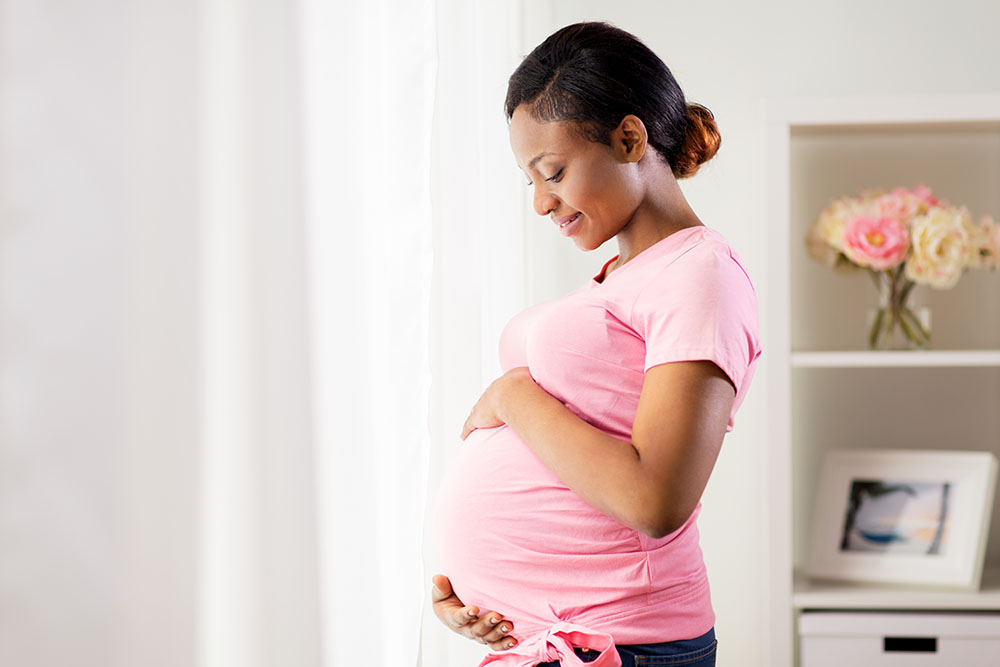
Embracing motherhood is a journey filled with hope, dreams, and a deep sense of responsibility. For expectant Black mothers, ensuring optimal nutrition is not just about personal health—it’s an important step towards breaking cycles, building stronger futures, and advocating for health equity.
Eating healthy is very important when you’re pregnant. It helps your body handle the changes of pregnancy. The aim is to eat the right nutrients for your baby to grow and keep a healthy weight.
We know there’s quite a lot to think about and a lot of advice you read and hear: “Consume this”, “Steer clear of that”, “Refrain from dieting, yet monitor your weight gain.” Meanwhile, you’re still trying to cope with the impact of pregnancy on your body. We understand. It’s challenging and that’s why we’re here to help. Maintaining a nutritious diet during pregnancy is of the utmost necessity. It ensures you stay well-nourished and supports the healthy growth of your baby. Therefore, being informed about what constitutes a healthy diet during pregnancy is essential.
Understanding Health Disparities Among Expectant Black Women
These disparities highlight systemic inequalities, influenced by socio-economic factors, healthcare access, and cultural practices, leading to poor pregnancy outcomes.
- Socio-Economic Challenges: Economic constraints limit access to healthy foods for many Black families. Food deserts, areas with limited access to affordable and nutritious food, are more common in predominantly Black neighbourhoods. This situation contributes to dietary gaps that affect maternal and foetal health.
- Access to Healthcare: Limited access to prenatal care exacerbates these issues, with obstacles including insurance, transportation, and lack of culturally competent care. The American College of Obstetricians and Gynecologists (ACOG) notes that comprehensive prenatal care can mitigate nutritional deficiencies and enhance pregnancy outcomes.
- Cultural Considerations: Cultural food practices play a significant role in dietary choices. While some traditional foods are nutrient-dense, others may lack essential nutrients needed during pregnancy. Understanding and integrating cultural food preferences with nutritional guidelines is necessary.
Nutritional Needs of Expectant Black Mothers
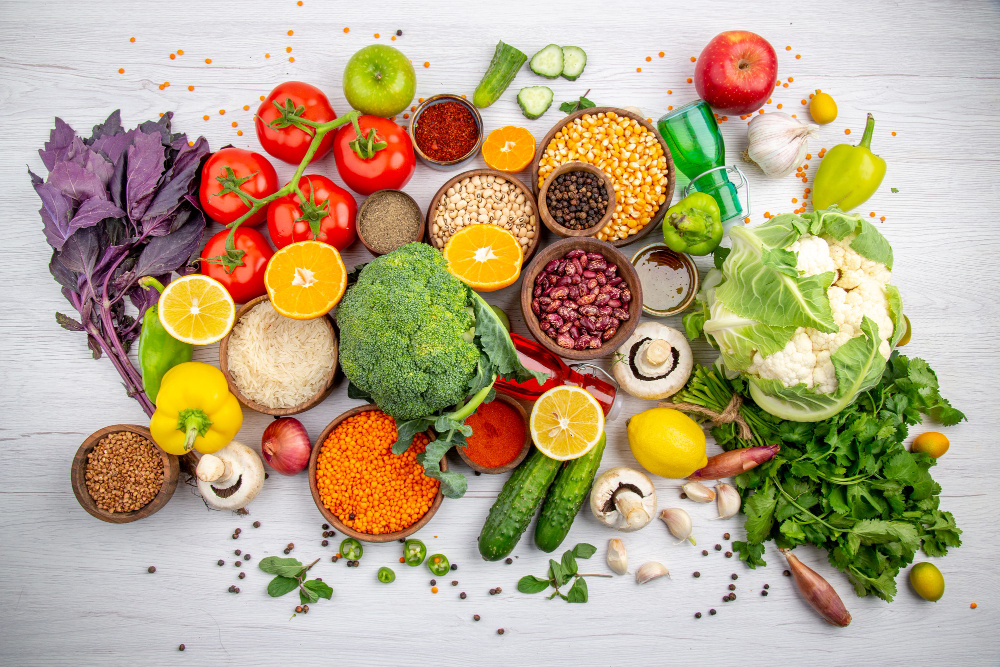
You can maintain a balanced diet during pregnancy by focusing on ensuring a diet full of both macro and micro nutrients. This means eating lots of fresh fruits and vegetables, whole grains, lean proteins, and low-fat dairy. Try to pay extra attention to essential nutrients such as folic acid, calcium, vitamin D, protein, and iron which are vital for your baby’s development. Nutrient-rich classes of foods you should ensure you have include:
- Vegetables: Choose carrots, sweet potatoes, red sweet peppers, and spinach for potassium, calcium, and folic acid.
- Fruits: Opt for cantaloupe, mangos, prunes, bananas, apples, oranges, grapefruit, and berries for potassium and folic acid.
- Low-fat dairy: Incorporate low-fat yoghurt, skim or soy milk, and cheese for calcium, vitamin A, D, and potassium.
- Whole grains: Select oatmeal, brown rice, whole grain pasta, and bread for iron and folic acid.
- Lean proteins: Go for beans, chicken, turkey, lean red meat, nuts, seeds, eggs, salmon, and trout for amino acids and iron.
Essential Vitamins and Supplements for Expectant Black Mothers
Pregnancy is a time of heightened nutritional needs and for Black expectant mothers, addressing these needs is crucial for both maternal and foetal health. Research indicates that Black women may face unique health challenges like anaemia due to poor nutrition during pregnancy, making certain nutrients especially important. Below are the essential nutrients for expectant Black mothers;
Iron
Iron is vital for making haemoglobin, a protein in red blood cells that carries oxygen to your body’s tissues. During pregnancy, the volume of blood increases by about 50%, escalating the need for iron. Iron deficiency can lead to anaemia, a condition more prevalent among Black women, which is associated with preterm delivery and low birth weight.
Dietary Sources: Lean meats, spinach, beans, and fortified cereals.
Calcium and Vitamin D
Calcium is essential for developing strong bones and teeth in the foetus, while vitamin D helps the body use calcium. Studies suggest that Black women have a higher risk of vitamin D deficiency, partly due to higher levels of melanin in the skin, which reduces the skin’s ability to produce vitamin D from sunlight.
Dietary Sources: Dairy products, fortified foods, leafy greens, and fish with bones.
Folic Acid
Folic acid is crucial in preventing birth defects. The Centers for Disease Control (CDC) recommends that all women of childbearing age, especially pregnant women, consume folic acid daily.
Dietary Sources: Leafy green vegetables, fruits, nuts, beans, fortified breads and cereals.
Omega-3 Fatty Acids
Omega-3 fatty acids, particularly DHA, are essential for fetal brain and eye development. They may also reduce the risk of premature birth.
Dietary Sources: Fatty fish like salmon, walnuts, and flaxseeds.
Frequently Asked Questions (FAQs)
Is it compulsory to take supplements while pregnant?
Even with a nutritious and diverse diet, it’s crucial to ensure you and your baby receive adequate vitamins and minerals. Many individuals require supplements to meet these needs. Consider taking the following vitamins and minerals when you begin trying to conceive or as soon as you discover you’re pregnant.
- Folic acid supplement
- Vitamin C supplement
- Iron supplement
- Calcium and Vitamin D supplement
How about other vitamins and supplements?
Your body requires only a small quantity of each nutrient, and excessive amounts are not always beneficial. Surpassing your body’s requirements can potentially lead to harm. For instance, excessive intake of certain vitamins such as Vitamin A and Vitamin E can pose risks. It’s advisable to refrain from taking these vitamins as supplements while pregnant.
What foods should I avoid during pregnancy?
When you’re pregnant, choosing the right foods is crucial for your and your baby’s health. It’s important to avoid certain foods that can pose risks due to bacteria, viruses, or parasites.
Here’s a list of foods you should avoid:
- Raw or Unpasteurized Milk and Dairy Products: This includes cheeses made from raw milk.
- Raw, Undercooked, or Cold Cured Meats and Eggs: Such foods can harbour harmful bacteria.
- Raw Shellfish and Certain Fish: Avoid raw shellfish and limit fish with high mercury levels like shark, swordfish, and large amounts of tuna.
- Unwashed Fruits and Vegetables: Always wash produce to remove any potential contaminants.
- Reheated Hot Dogs and Luncheon Meats: Only consume these if they are heated until steaming hot.
- Raw Sprouts: This includes alfalfa, mung bean, and other sprouts that can harbour bacteria.
- Pâté and Meat Spreads: Also, smoked meats should be avoided.
What Can I Drink While pregnant?
Stay hydrated by drinking water throughout the day, especially during meals. Try to avoid drinks that are high in sugar. Many canned or bottled drinks, smoothies and juices available on the market fall into this category. You can drink smoothies but make sure that they are not high in sugar, it’s best if you make it yourself so you know what is in it. Small glasses of freshly squeezed fruit juices are also acceptable.
Caffeine Consumption
Limit your intake of caffeine as it can affect your child. Opt for decaffeinated teas and coffee instead. Be careful with some herbal and rooibos teas due to potential plant toxins; instead, choose rosehip tea or teas made from pure fruit extracts, which do not inhibit iron absorption.
Alcohol Intake
During pregnancy, it’s crucial to abstain from alcohol entirely, as no amount is safe for your child. For special occasions, many non-alcoholic alternatives can complement your meal.
Conclusion
Nutrition during pregnancy is pivotal, especially for expectant Black mothers, who face unique health challenges. This guide underscores the importance of a balanced diet rich in essential nutrients to support both maternal well-being and the baby’s development. By adhering to dietary guidelines, avoiding harmful substances, and embracing nutritional recommendations, we can advance health equity and forge a stronger, healthier future for mothers and their children. Let’s continue to seek support, share knowledge, and empower each other on this journey, ensuring every pregnancy is nourished with care and wisdom for the well-being of the next generation.
References
- Anemia and pregnancy. (n.d.). Hematology.Org. Retrieved March 29, 2024, from https://www.hematology.org/education/patients/anemia/pregnancy
- CDC. (2022, June 15). Folic acid. Centers for Disease Control and Prevention. https://www.cdc.gov/ncbddd/folicacid/about.html
- Cleveland Clinic. (2023, November 7). Nutrition during pregnancy: Foods to include and foods to avoid. https://health.clevelandclinic.org/pregnancy-diet
- National Academies Press. (2011). Dietary reference intakes for calcium and vitamin D. http://dx.doi.org/10.17226/13050
- Walker, R. E., Keane, C. R., & Burke, J. G. (2010). Disparities and access to healthy food in the United States: A review of food deserts literature. Health & Place, 16(5), 876-884. https://doi.org/10.1016/j.healthplace.2010.04.013
- American College of Obstetricians and Gynecologists. (2018). Access to comprehensive prenatal care (Committee Opinion No. 729). ACOG. https://www.acog.org/clinical/clinical-guidance/committee-opinion/articles/2018/02/access-to-comprehensive-prenatal-care
- Harris, H., Perkins, A., & Palacios, C. (2019). The nutritional status and dietary habits of pregnant and lactating women. Maternal & Child Nutrition, 15(3), e12768. https://doi.org/10.1111/mcn.12768
- Tucker, M. J., Berg, C. J., Callaghan, W. M., & Hsia, J. (2014). The Black-White disparity in pregnancy-related mortality from 5 conditions: Differences in prevalence and case-fatality rates. American Journal of Public Health, 97(2), 247-251. https://doi.org/10.2105/AJPH.2005.072975
- Mozurkewich, E. L., & Klemens, C. (2012). Omega-3 fatty acids and pregnancy. Current Opinion in Obstetrics & Gynecology, 24(2), 72–77. https://doi.org/10.1097/GCO.0b013e328350fd34
- Myles, M., Gennaro, S., Dubois, N., O’Connor, C., & Roberts, K. (2017). Nutrition of black women during pregnancy. Journal of Obstetric, Gynecologic & Neonatal Nursing, 46(3), e83–e94. https://doi.org/10.1016/j.jogn.2017.01.007
- Nutrition during pregnancy. (n.d.). ACOG. Retrieved March 27, 2024, from https://www.acog.org/womens-health/faqs/nutrition-during-pregnancy
- Nutrition during pregnancy: What you should and shouldn’t eat. (n.d.-a). Retrieved March 27, 2024, from https://www.summahealth.org/flourish/entries/2023/01/nutrition-during-pregnancy-what-you-should-and-shouldnt-eat
- Cleveland Clinic medical professional. (n.d.). Pregnancy discomforts. Cleveland Clinic. Retrieved March 27, 2024, from https://my.clevelandclinic.org/health/articles/5186-pregnancy-having-a-healthy-pregnancy?_gl=1*85i6ne*_ga*MTcwOTcwNTM2LjE2NDY0MDY0ODA.*_ga_HWJ092SPKP*MTcxMTUzODk4Ni4zOS4xLjE3MTE1Mzk4NzUuMC4wLjA.
- NHS website. (n.d.). Vitamins, supplements and nutrition in pregnancy. NHS.Uk. Retrieved March 27, 2024, from https://www.nhs.uk/pregnancy/keeping-well/vitamins-supplements-and-nutrition/
- What foods should you eat daily during pregnancy? (2020, August 13). Healthline. https://www.healthline.com/nutrition/13-foods-to-eat-when-pregnant#faq
- FrieslandCampina Institute. (n.d.). Energy, weight gain, and food-based dietary recommendations during pregnancy. Retrieved March 28, 2024, from https://www.frieslandcampinainstitute.com/ng/article/energy-weight-gain-and-food-based-dietary-recommendations-during-pregnancy/

 HEAL for Black people
Leave a comment