
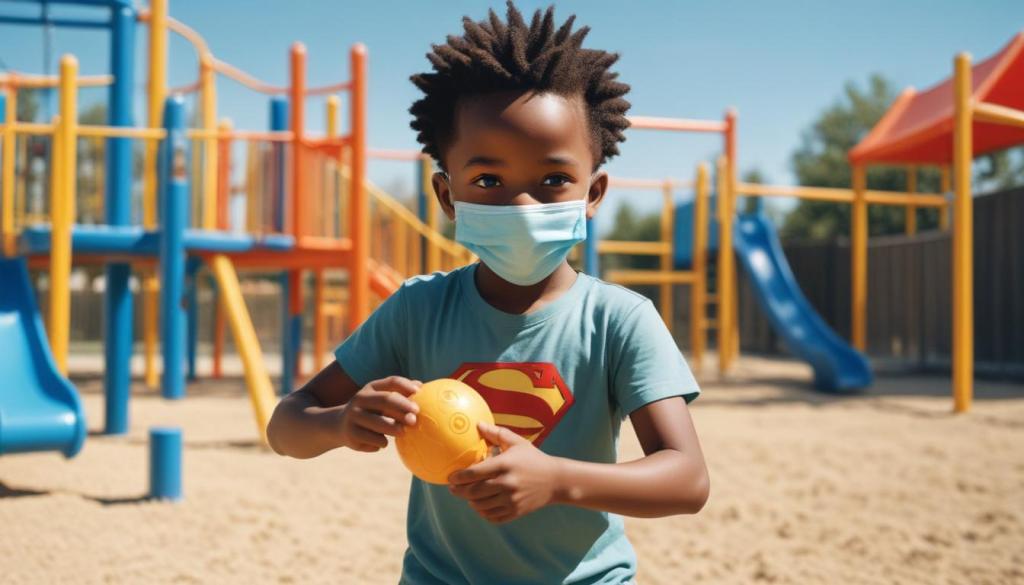
In today’s world, parents strive to provide the best for their children, particularly a healthy and safe environment for them to thrive. Unfortunately, environmental pollution poses a significant threat, affecting children’s health more severely than that of adults. This is because children’s bodies are still growing; they consume more food, drink more water, and breathe more air in proportion to their body size compared to adults. Additionally, children inhale more particles relative to their body size than adults because they use more oxygen. Furthermore, typical childhood behaviour can expose them more frequently to pollution. Consequently, exposure to a given amount of pollution results in a larger quantity of pollutants in children’s bodies than in adults.
Moreover, Black children are disproportionately affected due to socio-economic disparities and historical inequalities. This article explores the complexities of pollution’s impact on children, with a focus on creating cleaner, healthier environments for future generations, especially those most at risk.
THE DISPROPORTIONATE IMPACT ON BLACK CHILDREN
Environmental pollutants do not affect everyone equally. Children from racial and ethnic minorities, particularly Black children, face the gravest risks. This demographic reports higher asthma rates—13% among Black children, compared to lower percentages in White populations. The roots of such disparities lie in historical housing policies and zoning laws that have confined Black communities to areas dense with industrial pollution. Environmental justice studies reveal how these practices, dating back to segregation times, have perpetuated a legacy of health disparities that persist today.
UNDERSTANDING THE RISKS
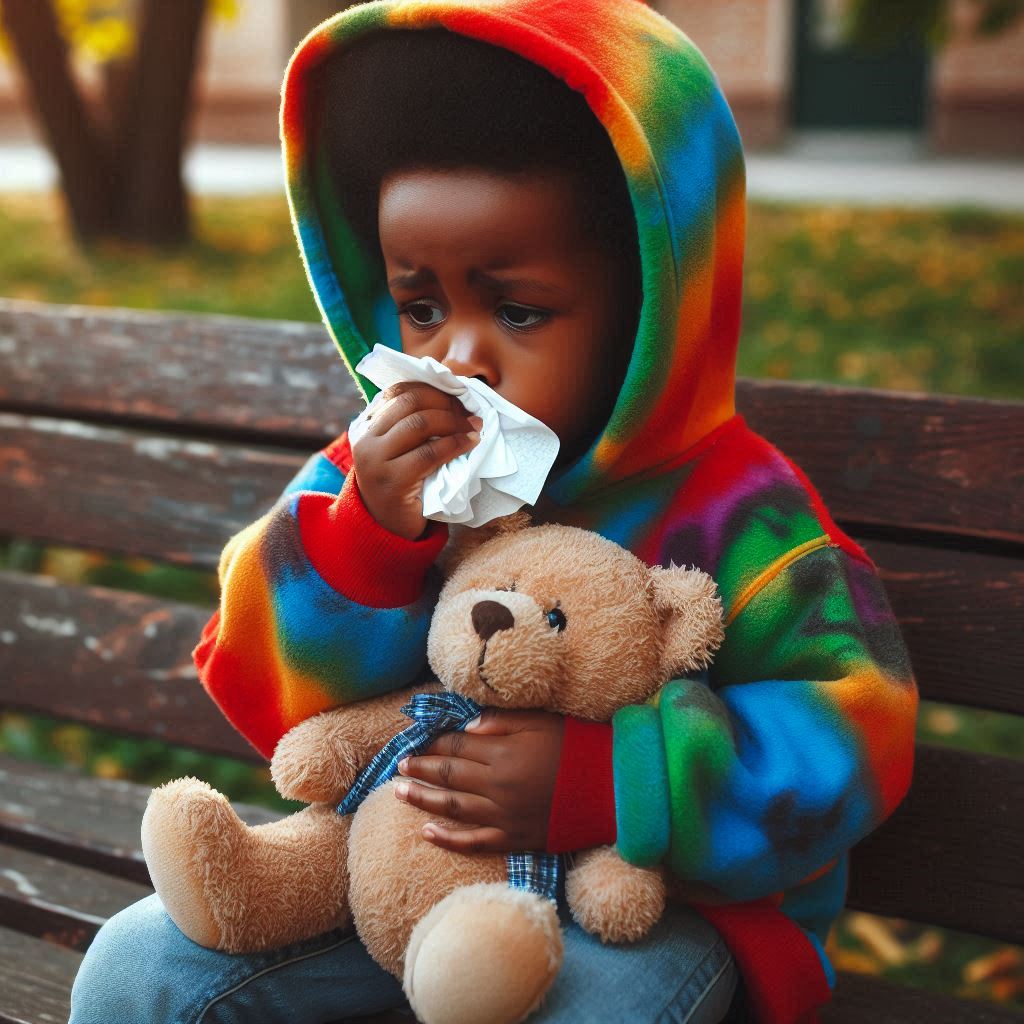
The health impacts of pollution are broad and deeply concerning, especially for children who are still developing. Exposure to air pollutants at a young age can lead to lifelong health problems. Here are the key impacts:
Respiratory Issues: Children exposed to high levels of particulate matter are at an increased risk of developing respiratory diseases such as asthma and pneumonia. Their developing lungs are particularly susceptible to damage.
Brain Development: Exposure to airborne pollutants can interfere with brain development, leading to potential learning and developmental delays.
Chronic Health Problems: Early exposure to pollution can predispose children to chronic conditions like heart disease, lung disorders, and diabetes in later life.
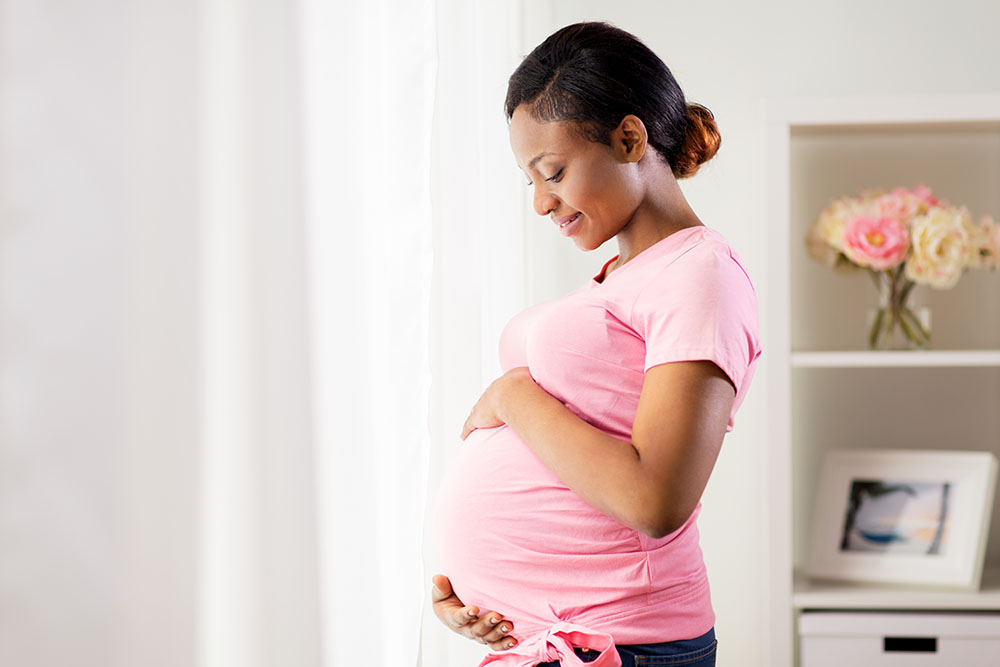
Infant Health Risks: For infants, the stakes are even higher as pollution increases risks of mortality, low birth weight, and premature birth, particularly if the mother is exposed during pregnancy.
Lasting Effects: The adverse health effects from pollution can extend throughout one’s life, causing ongoing health challenges and adding strain to healthcare systems.
CREATING POLLUTION-FREE SPACES
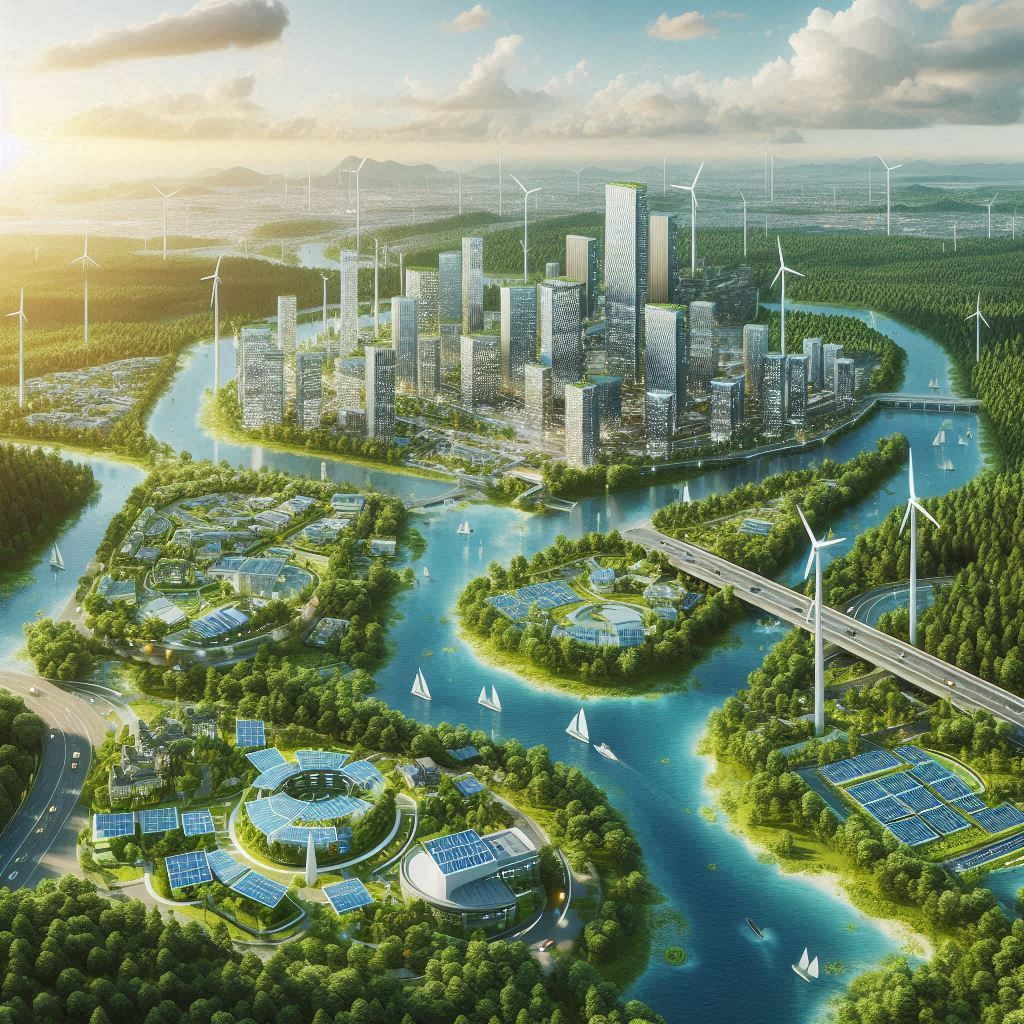
Addressing these challenges requires concerted efforts at various levels:
Community Initiatives: Examples from cities like Detroit and Chicago show the success of urban green zones in reducing air pollution. These initiatives focus on planting trees and creating parks that not only improve air quality but also provide safe recreational areas for children.
Policy Recognition: Increasingly, local governments are incorporating air quality improvements into urban planning, prioritizing health in policy decisions.
PRACTICAL STEPS FOR FAMILIES

While community and governmental initiatives are crucial, families should take to protect themselves from pollution. These include:
Reduce Indoor Air Pollution: Use air purifiers with HEPA filters to remove pollutants, like dust, pollen, and pet dander. Avoid smoking indoors and discourage smoking around children. Ensure proper ventilation by opening windows regularly to allow fresh air to circulate. Use natural cleaning products or those labelled as environmentally friendly to minimise exposure to harmful chemicals.
Minimise Exposure to Harmful Chemicals: Choose non-toxic and eco-friendly household products, such as detergents, soaps, and cosmetics. Be cautious with pesticides and herbicides, and opt for natural pest control methods whenever possible. Avoid using synthetic air fresheners and opt for natural alternatives like essential oils or potpourri.
Promote Sustainable Transportation: Reduce reliance on cars by walking, biking, or using public transportation whenever possible. Choose fuel-efficient vehicles or consider transitioning to electric or hybrid cars. Carpool with other families for school and extracurricular activities to reduce emissions.
Encourage Energy Efficiency: Switch to energy-efficient appliances and light bulbs to reduce energy consumption. Unplug electronic devices when not in use to minimise standby power usage.
Practice Waste Reduction: Reduce, reuse, and recycle to minimise the generation of waste. Avoid single-use plastics and opt for reusable alternatives like water bottles, containers, and bags. Compost organic waste to reduce methane emissions from landfills.
Support Green Spaces: Plant trees and shrubs around the home to improve air quality and provide shade. Create a vegetable or herb garden to promote sustainability and teach children
CONCLUSION
Addressing the environmental injustices faced by Black children is crucial for their health and development. Families, communities, and policymakers need to work together to dismantle the persistent barriers that contribute to higher pollution exposure in Black neighbourhoods. By implementing sustainable practices, promoting green spaces, and advocating for equitable policies, we can create healthier environments that empower Black children to thrive. This collective effort will not only improve immediate health outcomes but also pave the way for a more just and sustainable future, ensuring that all children have the opportunity to live in a pollution-free world.
Frequently Asked Questions (FAQs)
Q1: Why are Black children at a higher risk from pollution?
A1: Black children are often at higher risk due to socio-economic factors that place them in neighborhoods with poorer air quality and closer proximity to industrial sites. Historical zoning laws and discriminatory housing policies have contributed to these conditions, making them more susceptible to pollution-related health issues.
Q2: What are some specific health impacts of pollution on children?
A2: Pollution can lead to a range of health problems in children, including asthma, reduced lung function, developmental delays, and poorer academic performance. There are also psychological impacts, such as increased stress and anxiety, which can affect overall well-being.
Q3: How can communities help create pollution-free spaces?
A3: Communities can engage in local advocacy to demand better environmental protection and urban planning. Initiatives like planting trees, creating parks, and reducing traffic pollution can significantly improve air quality. Community involvement in monitoring and reporting pollution levels is also crucial.
Q4: What can families do to minimize exposure to pollution?
A4: Families can stay informed about local air quality and limit outdoor activities when pollution levels are high. Using air purifiers and ensuring that indoor environments are well-ventilated can also help. Additionally, involving local environmental groups can provide families with resources and support for advocacy.
Q5: Are there effective policy changes that can protect children from pollution? A5: Yes, effective policy changes include implementing stricter emissions controls on industries, enhancing public transportation to reduce vehicle emissions, and incorporating health considerations into urban planning. Policies promoting environmental justice and addressing historical inequities are vital to protecting vulnerable populations.
REFERENCES
● American Lung Association. (2020). State of the Air. [Report].
● Bullard, R. D. (2008). Dumping in Dixie: Race, Class, and Environmental Quality. Westview Press.
● Williams, D. R., & Mohammed, S. A. (2019). Race and Economic Opportunity in the United States. Annual Review of Sociology, 45, pp. 411-430.
● Clougherty, J. E. (2010). A Growing Role for Gender Analysis in Air Pollution Epidemiology. Environmental Health Perspectives, 118(2), pp. 167-176.
● Taylor, D. E. (2015). The Rise of the Environmental Justice Paradigm. American Behavioral Scientist.
● EPA, U. (n.d.). Children’s environmental health disparities: Black and african american children and asthma.
● Exposure to indoor and outdoor air pollution in schools in Africa: Current status, knowledge gaps, and a call to action. (n.d.). Heliyon, 9(8).

 HEAL for Black people
Leave a comment