
What is PCOS?
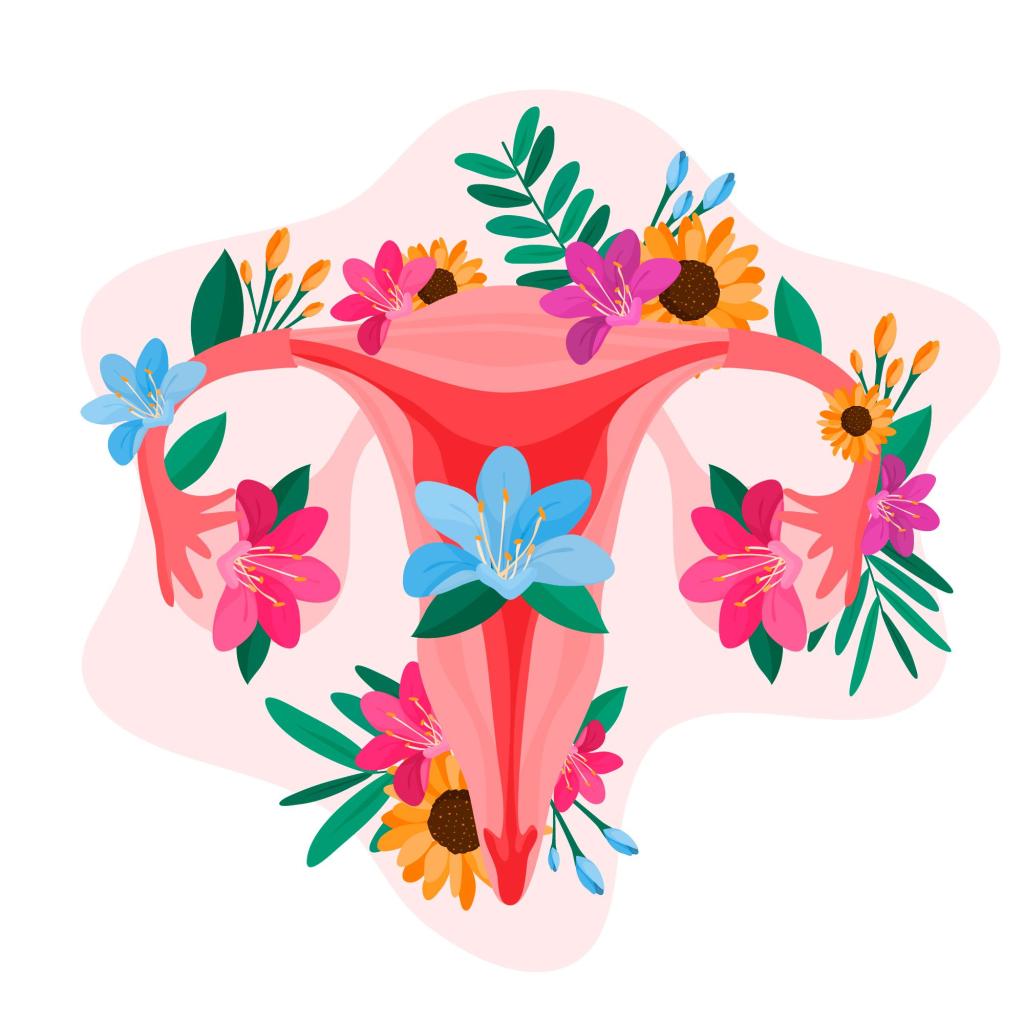
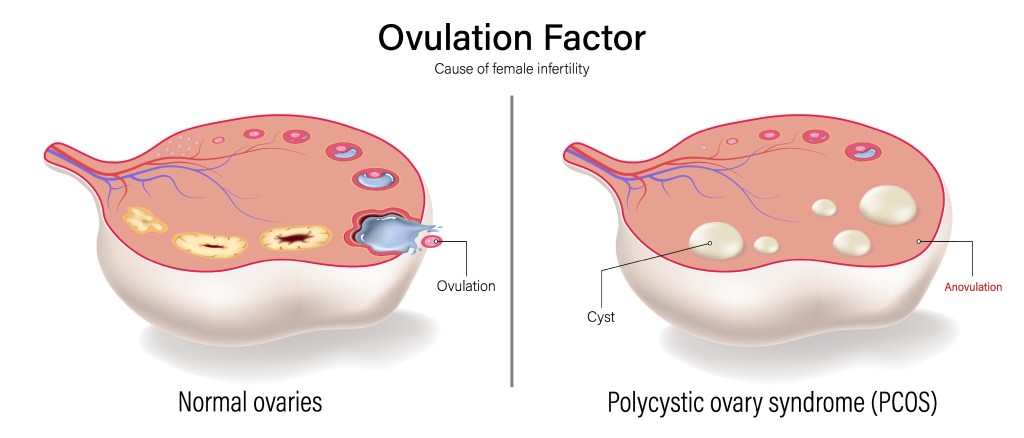
Polycystic Ovary Syndrome, often called PCOS, is a medical condition common among women of reproductive age due to an imbalance of reproductive hormones. The name comes from the small cysts (fluid-filled sacs) that can form in the ovaries, but not everyone with PCOS has these cysts.
What exactly happens? The ovaries, which are responsible for producing and releasing eggs, start producing unusually high levels of male sex hormones called androgens. This hormonal imbalance can interfere with the development and release of eggs during ovulation.

How PCOS Affects Black Women
PCOS affects women of all races and ethnicities, but there are some unique ways it may affect Black women. Black women with PCOS may have:
- Increased rates of hirsutism (excess hair growth in typical male patterns)
- Higher risk of cardiovascular disease and metabolic syndrome, including insulin resistance, prediabetes/diabetes, high blood pressure, heart attack, and stroke
- Lower likelihood of getting pregnant, as Black women do not have as much success with in vitro fertilisation as white women. They’re also more likely to be obese, a risk factor for infertility.
When Does PCOS Usually Start?
Most women are diagnosed with PCOS in their 20s or 30s, often when they’re trying to get pregnant. However, symptoms can start after puberty.
How Common is PCOS?
PCOS is quite common. According to the World Health Organization, it affects about 8-13% of women of reproductive age. In the UK, the NHS says it affects about 1 in every 10 women. It is more common among women from Black, Asian, and minority ethnic backgrounds.
Common Symptoms of PCOS
The symptoms of PCOS can vary widely, but here are some common ones:
- Irregular periods: Infrequent periods, long cycles, or no periods at all
- Excess hair growth: Increased hair on the face, chest, back, and other areas
- Acne and oily skin: Hormonal imbalances can lead to breakouts and oily skin
- Weight gain: Many women with PCOS struggle with weight gain, especially around the abdomen
- Thinning hair: Hair loss or thinning on the scalp
- Fertility issues: Difficulty getting pregnant due to irregular or absent ovulation
- Darkening of skin: Dark patches of skin, especially in body creases like the neck and groin
- Fatigue and sleep issues: Feeling tired often and experiencing sleep disturbances like sleep apnoea
What Causes PCOS?
The exact cause of PCOS isn’t fully understood, but several factors may contribute:
- Genetics: PCOS often runs in families
- Insulin resistance: Many women with PCOS have insulin resistance, which can lead to higher insulin levels and more androgen production
- Hormonal imbalance: Elevated androgens can interfere with egg development and release
How is PCOS Diagnosed?
Diagnosing PCOS usually involves looking at your medical history, a physical exam, blood tests, and an ultrasound scan. The National Institute for Health and Care Excellence (NICE) uses the Rotterdam criteria for diagnosis, which include:
- Irregular or absent menstrual cycles
- Elevated androgen levels
- Polycystic ovaries visible on an ultrasound
A diagnosis requires at least two of these three criteria.
Complications Associated with PCOS
PCOS can lead to several health issues beyond reproductive health, including:
- Type 2 diabetes: Due to insulin resistance
- High blood pressure: Increased risk of hypertension
- Cholesterol issues: Higher levels of bad cholesterol (LDL) and lower levels of good cholesterol (HDL)
- Sleep apnoea: Higher risk, especially if overweight
- Womb cancer: Increased risk due to prolonged absence of menstruation
- Mental health issues: Higher likelihood of depression, anxiety, and eating disorders
Womb Cancer: A Complication of PCOS
Women with PCOS have an increased risk of developing endometrial cancer (womb cancer). This risk arises due to prolonged periods of unopposed oestrogen exposure when menstruation is infrequent or absent, leading to endometrial hyperplasia, a precursor to cancer. Here are some options to ensure regular menstruation and reduce the risk of womb cancer:
- Progesterone therapy: If natural menstruation does not occur at least once every three months, progesterone can be used to induce a bleed
- Hormonal contraceptives: Birth control pills can help regulate menstrual cycles
- Mirena IUD: This can help manage menstrual regularity and reduce the risk of cancer
Metabolic and Cardiovascular Complications of PCOS
Women with PCOS are at a higher risk of developing metabolic and cardiovascular issues, including insulin resistance, type 2 diabetes, high blood pressure, and dyslipidaemia. These complications can increase the risk of heart disease and stroke. Managing these risks involves a combination of lifestyle changes, medications, and regular monitoring:
Diet and Nutrition
- Low Glycaemic Index Foods: Prioritise foods that have a low glycaemic index to maintain stable blood sugar levels
- Balanced Meals: Ensure meals are balanced with a good mix of carbohydrates, proteins, and fats to avoid blood sugar spikes
- Fibre-Rich Foods: Include plenty of fibre in the diet from vegetables, fruits, and whole grains to help regulate blood sugar
Physical Activity
- Consistent Exercise: Regular physical activity helps to improve insulin sensitivity and manage blood sugar levels
- Aerobic and Strength Training: Both types of exercises are beneficial. Aerobic exercises help improve cardiovascular health, while strength training helps build muscle and improve glucose metabolism
Medications
- Metformin: Commonly prescribed to manage insulin resistance and improve blood sugar control in women with PCOS
Lifestyle Changes
- Quit Smoking: Smoking can worsen insulin resistance and increase the risk of cardiovascular diseases
- Limit Alcohol: Alcohol can affect blood sugar levels and overall health. Moderation is key
Regular Monitoring
- Blood Sugar Levels: Regularly monitor blood sugar levels to ensure they are within a healthy range
- Medical Check-Ups: Regular check-ups with a healthcare provider to monitor for signs of diabetes and manage any emerging issues
Treatment Options for PCOS

While there’s no cure for PCOS, there are many ways to manage the symptoms:
Lifestyle Changes
- Diet and Nutrition: Eat a balanced diet rich in whole foods, and reduce processed foods and sugars
- Regular Physical Activity: Aim for at least 150 minutes of moderate exercise per week
- Weight Management: Even a modest weight loss can significantly improve symptoms
Medications
- Birth Control Pills: Help regulate menstrual cycles and reduce androgen levels
- Metformin: Improves insulin resistance
- Anti-Androgens: Medications like spironolactone can reduce excess hair growth and acne
- Fertility Treatments: Options like clomiphene, letrozole, or IVF can help with conception
Role of Supplements in PCOS Management
- Vitamin D: Vitamin D deficiency is common in women with PCOS and has been linked to insulin resistance and other metabolic disturbances. Vitamin D supplements can improve insulin sensitivity, menstrual regularity, and overall metabolic health
- Inositol: Myo-inositol and D-chiro-inositol are two forms of inositol that have shown promising results in managing PCOS. They can help improve insulin sensitivity, reduce androgen levels, and restore ovulation, which can enhance fertility. The branded products Inofolic Alpha and Inofolic Alpha Plus combine myo-inositol and alpha-lactalbumin, which can help improve insulin resistance and support overall metabolic health. They have been clinically tested and can help to restore ovulation.
- Turmeric: Turmeric contains curcumin, which has anti-inflammatory and antioxidant properties. It may help reduce inflammation and oxidative stress in women with PCOS, thereby improving metabolic and hormonal parameters.
Conclusion
PCOS is a complex and often misunderstood condition that affects many women, including a significant number of Black women who may experience unique challenges and symptoms. Recognising the diversity of how PCOS manifests and the importance of early diagnosis is crucial for effective management. By understanding the symptoms, causes, and treatment options, you can take proactive steps to manage your health. Whether through lifestyle changes, medications, or supplements, there are various ways to alleviate symptoms and improve your quality of life. If you suspect you have PCOS, consulting a healthcare professional for a personalised treatment plan is essential. Remember, with the right support and resources, you can manage PCOS and lead a healthy, fulfilling life.
References
- Office on Women’s Health. (n.d.). Polycystic ovary syndrome. Retrieved May 26, 2024, from https://www.womenshealth.gov/a-z-topics/polycystic-ovary-syndrome
- Johns Hopkins Medicine. (2022, February 28). Polycystic ovary syndrome (PCOS). Retrieved from https://www.hopkinsmedicine.org/health/conditions-and-diseases/polycystic-ovary-syndrome-pcos
- Mayo Clinic. (2022, September 8). Polycystic ovary syndrome (PCOS) – Symptoms and causes. Retrieved from https://www.mayoclinic.org/diseases-conditions/pcos/symptoms-causes/syc-20353439
- Royal College of Obstetricians and Gynaecologists. (n.d.). Polycystic ovary syndrome (PCOS): What it means for your long-term health. Retrieved May 26, 2024, from https://www.rcog.org.uk/for-the-public/browse-our-patient-information/polycystic-ovary-syndrome-pcos-what-it-means-for-your-long-term-health



 HEAL for Black people
Leave a comment